
Flooring Fittersin NottinghamBuilt on Solid Prep
Floors that sit flat, stay quiet and last because the subfloor is prepared properly before the new covering goes down.
- 5 years trading
- Trades with 10–30 years’ experience
- Free site visit & written quote
- Gas Safe & NICEIC/NAPIT trades
Service overview
Flooring explained
What it is
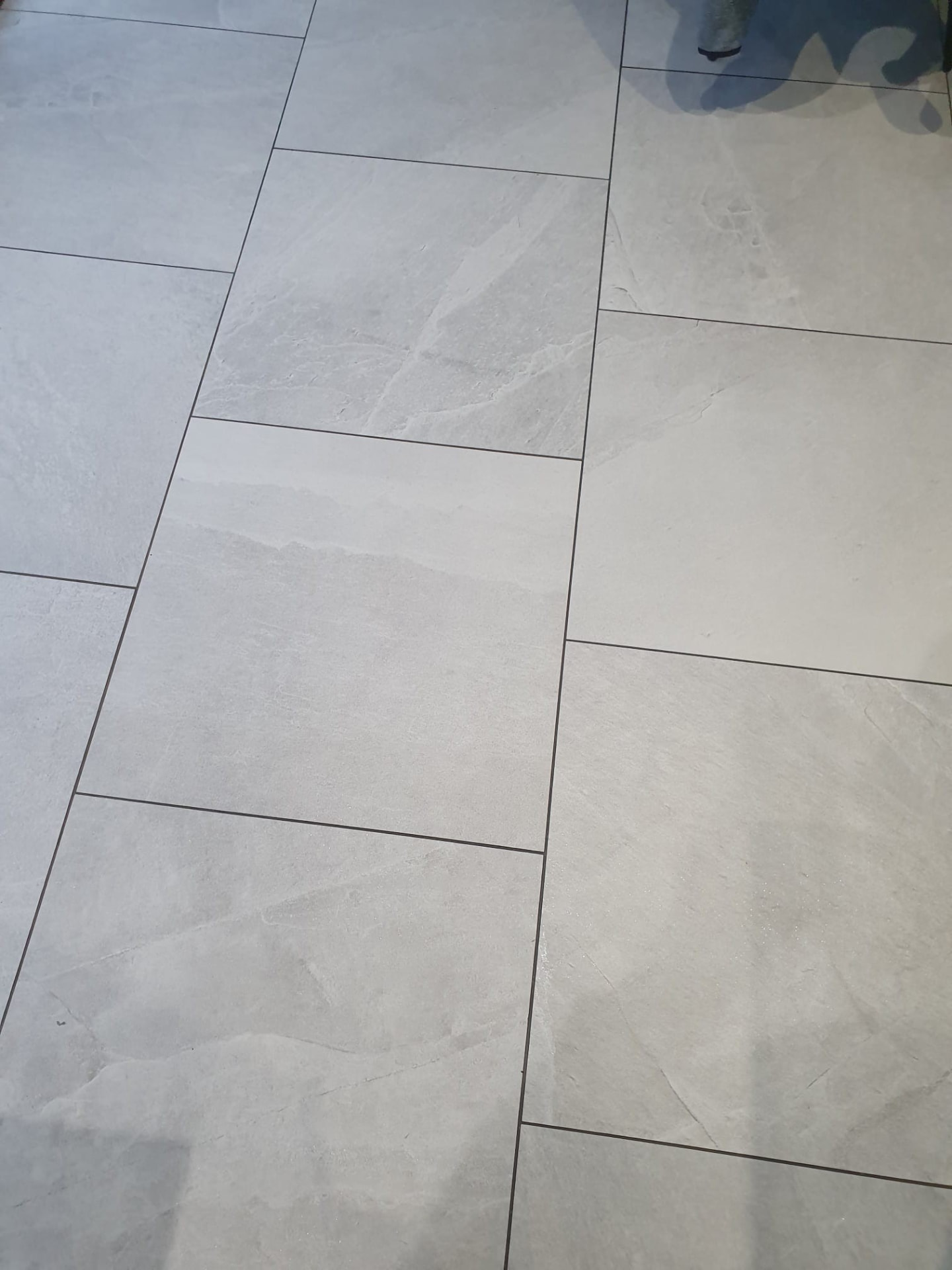
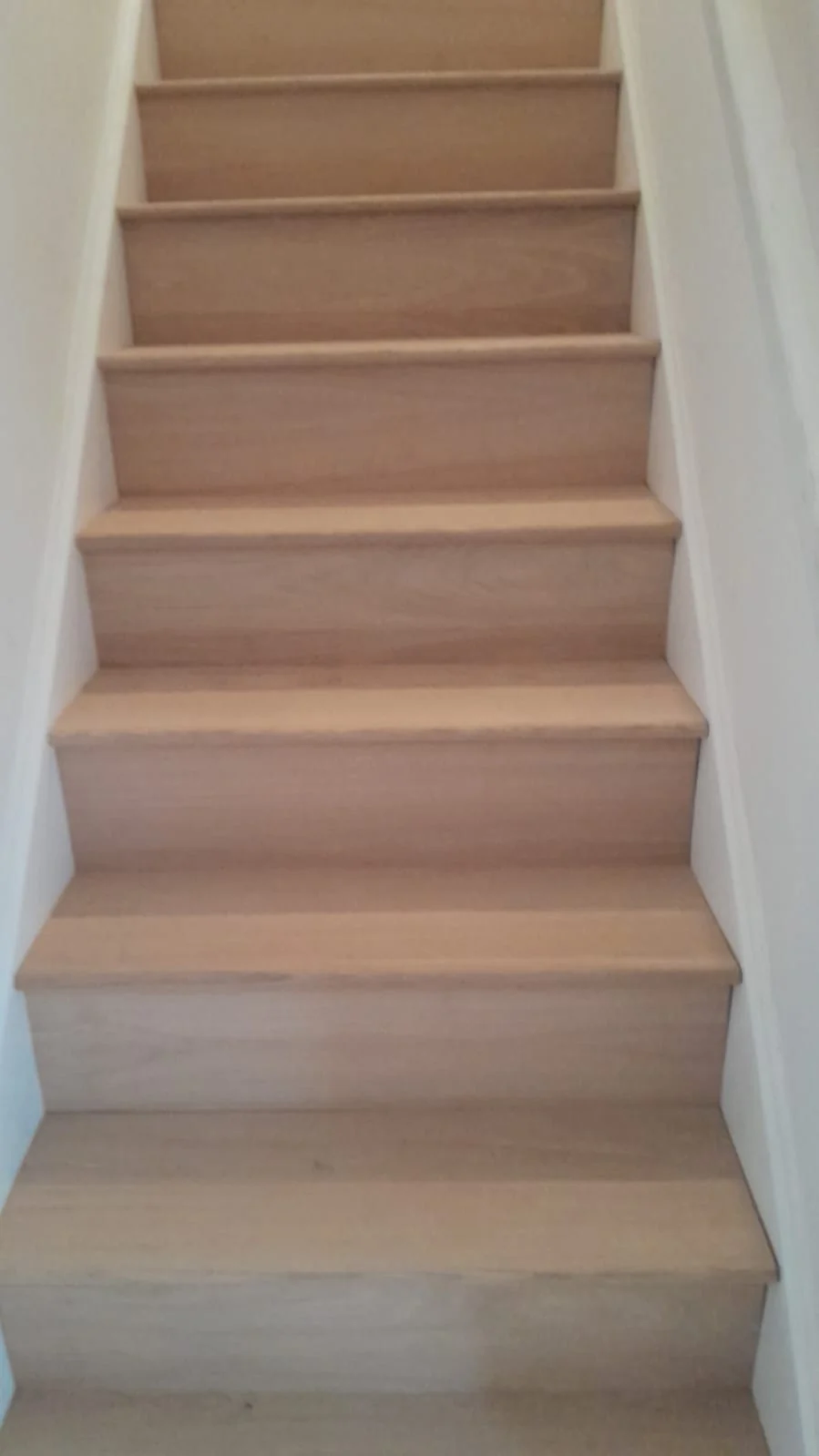
Our flooring service covers subfloor preparation and floor covering installations. Preparation means checking and fixing the floor underneath, including loose boards, uneven areas and old adhesives, before laying the new floor. The covering might be laminate, engineered wood, vinyl, tiles or another finish.
Who it’s for
Flooring suits homeowners replacing worn carpets or dated floors, people finishing a new kitchen or bathroom, landlords preparing rentals and anyone carrying out a renovation where floors are being lifted for other work.
When you need it
You’ll need new flooring when surfaces are worn, damaged, lifting or squeaking, when boards move underfoot, or when other work, such as plumbing, rewiring or a new kitchen, has disturbed the existing floor.
Why professional help matters
Most flooring failures start underneath. An uneven or moving subfloor makes laminate click and gap, tiles crack and vinyl show every bump. Proper preparation takes time and experience. Our contractors each have between 10 and 30 years of experience in their trade.
The cost of waiting
What happens if it’s left
Loose or uneven floors get worse. Boards that move wear the covering faster, and gaps let dirt and moisture in. In kitchens and bathrooms, damaged floors can let water reach the subfloor.
Laying new flooring over a poor base wastes the money spent on the covering. Cracked tiles and lifting boards mean starting again sooner than you should.
Common mistakes we put right
- Laying new flooring straight over an uneven or moving subfloor.
- Not allowing for expansion gaps with wood and laminate.
- Fitting flooring before kitchen or bathroom work is finished.
- Using a covering unsuited to wet areas.
- Skipping underlay or using the wrong type.
Our process
How your flooring job runs
- Step 1
Free site visit
We check the existing floor and subfloor and discuss the covering you want.
- Step 2
Written quotation
A clear quote covering preparation and installation.
- Step 3
Lift & prepare
Old coverings removed, subfloor repaired, levelled or over-boarded as needed.
- Step 4
Install
The new floor covering laid with the right underlay and finishing details.
- Step 5
Finish & tidy
Trims and edges finished and the room cleaned.
What you get
Why choose VTR for flooring
Flat, quiet floors
Proper preparation means fewer squeaks, gaps and cracked tiles.
Longer lifespan
A solid base protects your investment in the new covering.
Right order
Fitted after other trades finish, as part of a planned project.
Experienced trades
Contractors with 10–30 years’ experience in their trade.
One team
Combine with kitchen, bathroom or decorating work.
Free quote
A free site visit and written quotation first.
In detail
Types of flooring we carry out
Subfloor preparation
Securing loose boards, replacing damaged sections, levelling uneven areas and over-boarding where needed so the new floor has a stable base.
Laminate and engineered wood
Popular for living areas, laminate and engineered boards need a flat base, the right underlay and expansion gaps around the room.
Vinyl and tiles
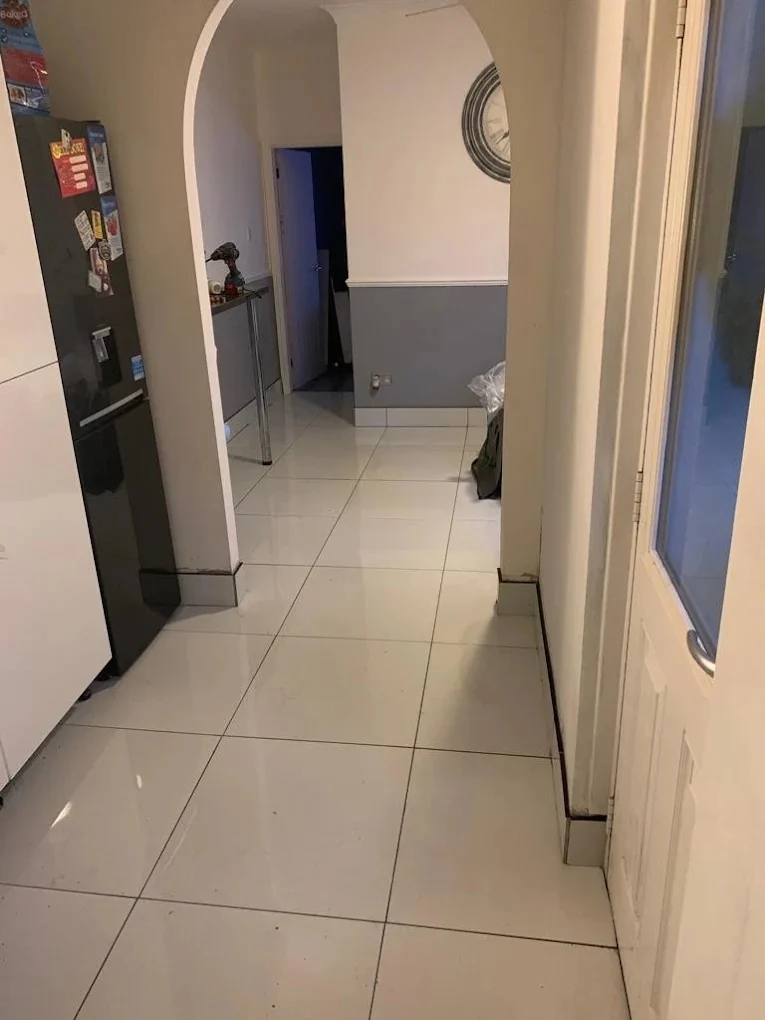
Good options for kitchens and bathrooms. Tiles need a rigid, flat base; vinyl shows any unevenness underneath, so preparation is key.
Kitchens and bathrooms
In wet areas, the floor covering and preparation are chosen with moisture in mind, and fitted in the right sequence with units and suites.
Single rooms and whole properties
We fit floors in single rooms and across whole properties during renovations.
Planning guide
What to know before you start
Why the subfloor matters most
A new floor covering is only as good as what it’s laid on. Timber floors can have loose or springy boards, gaps and old nails standing proud. Concrete floors can be uneven, cracked or carrying old adhesive. Any of these will show through or damage the new floor. Laminate may click and separate, tiles can crack along a high spot, and vinyl will reveal every ridge. Preparation is the part of flooring you don’t see, and the part that decides how long the floor lasts.
Choosing the right floor for each room
Different rooms put different demands on a floor. Kitchens and bathrooms need coverings that cope with water and are easy to clean. Hallways take the heaviest wear and grit from outside. Living rooms and bedrooms are more about comfort and appearance. We talk through how each room is used at the site visit so the covering suits the space, not just the look.
Flooring in the right sequence
Flooring usually goes in near the end of a project, after plastering and most other trades, so it isn’t damaged by ladders, materials and foot traffic. In kitchens, the decision on whether to floor under or around units affects how easy it is to replace appliances later. In bathrooms, flooring needs to be coordinated with the suite and any underfloor waste runs. Within a VTR project, flooring is planned with these details in mind.
Finishing details
A floor looks finished when the edges are right: thresholds between rooms, trims at doorways, neat junctions at skirting and around pipes. Expansion gaps for wood and laminate need to be hidden but present. These small details are where an experienced fitter makes the difference between a floor that looks professional and one that looks like a weekend job.
Floors for rentals and busy homes
For landlords and families with children or pets, durability and ease of cleaning often matter more than anything else. Hard-wearing coverings on a properly prepared base reduce the need for early replacement and keep the property looking good between tenancies.
Caring for your new floor
Most floors last longer with simple care: mats at external doors to catch grit, felt pads under furniture legs, and cleaning products suited to the covering. Wood and laminate don’t like standing water, so spills should be wiped up promptly. We’ll give you any specific care points when the job is finished.
Flooring across a whole property
When floors are being replaced throughout a house, planning matters. Thresholds between rooms should line up and sit at the right height, coverings should flow sensibly from one space to the next, and the work should be ordered so finished floors aren’t walked over by other trades. During a full renovation we fit floors near the end of the programme, after plastering, so they are handed over clean and undamaged.
Moisture and flooring
Ground-floor rooms, especially in older properties, can have moisture coming up through solid floors. Laying a new covering over a damp base can cause adhesives to fail, boards to swell and mould to form underneath. At the site visit we look for signs of moisture so the right preparation and covering can be chosen for the room.
What to expect on fitting day
Rooms need to be cleared of furniture before fitting starts, and doors may need trimming to clear the new floor height. Old coverings are lifted, the subfloor is prepared and the new floor is laid and finished at the edges. Depending on the covering, you may be able to walk on it straight away or need to wait for adhesives to set, which we’ll tell you before we leave.
Questions
Flooring FAQs
Related services
How much does flooring installation cost?+
Every job is different, so we don’t publish fixed prices. We visit free of charge, look at the job and give you a written quotation so you know the scope before any work starts.
How long does it take to fit a floor?+
It depends on the room size and how much preparation the subfloor needs. We’ll give you a timescale with your quote.
Can you fit flooring I’ve bought?+
Yes. Talk to us at the site visit about the covering you’ve chosen.
Do you prepare the subfloor?+
Yes. Subfloor preparation is part of our flooring service.
Is flooring work guaranteed?+
Renovation projects come with a 3-month workmanship guarantee. Ask us how this applies to your flooring job.
What flooring is best for a kitchen or bathroom?+
Moisture-resistant coverings such as tiles or suitable vinyl are common choices. We’ll talk it through at the site visit.
Do you fit floors in Long Eaton and Ilkeston?+
Yes. We cover Nottingham, Derby, Mansfield, Sheffield, Loughborough and towns including Long Eaton and Ilkeston.
Do you offer emergency flooring repairs?+
We are not a 24-hour emergency call-out service. Ring us during opening hours and we’ll tell you honestly how quickly we can help.
Get your flooringdone properly, once.
Free site visit, written quotation, and one team handling every trade. No obligation.